


















Squinting during homework. Moving closer to the television. Struggling to see the classroom board.
These small changes can easily be dismissed as a phase, distraction or simply a child's changing habits. But they can also be early signs of myopia in children.
Myopia, commonly called short-sightedness or near-sightedness, is a common vision condition in which distant objects appear blurry while nearby objects remain clearer. Children may adapt to blurry distance vision without realizing that their sight has changed, which means the first clues can sometimes appear in their behaviour rather than in what they say.
What Is Myopia, and Why Does It Make Kids Sit Closer?

Myopia makes it difficult to see distant objects clearly while nearby objects can remain clear. A child may be able to read a book comfortably but struggle to see the classroom board, a television from across the room or faces at a distance.
When a child has difficulty seeing distant objects clearly, they may naturally move closer to whatever they are trying to see. Sitting close to a television or holding a book or device unusually near the face does not confirm myopia on its own. But when it happens alongside squinting or difficulty seeing the board, it can be a reason to have the child's vision checked.
7 Signs of Myopia in Children Parents Often Miss
Children do not always recognize or report that their distance vision has become blurry. Instead, parents and teachers may notice changes in behaviour first.
Look out for these signs, especially when several occur together:
- Squinting at distant objects: A child may squint when looking at the classroom board, television, road signs or other objects across a room.
- Sitting unusually close to the TV or screens: Moving closer can be a way of trying to see details more clearly. It is not, by itself, proof of myopia.
- Difficulty seeing the classroom board: Your child may struggle to copy from the board, ask to sit closer or copy from a classmate.
- Frequent headaches or eye discomfort: Headaches or tired eyes can sometimes accompany an uncorrected vision problem, although they can have many other causes.
- Frequent eye rubbing: Regular eye rubbing may indicate tiredness, irritation or visual discomfort. If it happens alongside other vision-related signs, an eye examination can help identify the cause.
- Losing their place while reading: A child may skip words, lose their place or complain that words look blurry.
- Appearing distracted during visually demanding activities: Difficulty seeing the board or following visual information can sometimes look like poor concentration.
When Vision Problems Look Like “Not Paying Attention”
A child who cannot see the classroom board clearly may appear distracted, fidgety or disengaged during lessons. They may copy from a classmate instead of the board or avoid activities that require clear distance vision.
That does not mean every child who appears distracted has a vision problem. But when changes in classroom behaviour occur alongside squinting, sitting closer or difficulty seeing distant objects, an eye examination can help determine whether vision is contributing.
Outdoor Time and Myopia: What Parents Should Know
Regular time outdoors is one of the best-supported lifestyle factors associated with a lower risk of developing myopia in children. The World Health Organization recommends spending time outdoors as part of healthy habits that can help delay the onset of myopia.
Outdoor time is not a cure for existing myopia. If a child is already showing signs of blurry distance vision, an eye examination remains important.
Optician's Note: Think of outdoor time as one supportive habit, not a treatment for existing myopia. Encourage children to spend regular time outdoors during daylight, take breaks during prolonged near work and have their vision checked when concerns arise.
Does Screen Time Cause Myopia?
Screen use is often blamed for childhood myopia, but the relationship is more complicated than simply saying that screens cause short-sightedness.
Prolonged near-vision activities, including reading and using digital devices, are among the lifestyle factors associated with myopia risk. Reduced time outdoors and genetics can also influence the risk of developing myopia.
Rather than focusing on screens alone, parents can encourage regular breaks during prolonged near work, comfortable viewing distances and plenty of outdoor activity. These habits support healthier visual routines while regular eye examinations help identify changing vision.
What Happens During a Child's Eye Examination?

A child's eye examination can assess more than whether they can read letters from a distance.
Depending on the child's age and individual needs, an eye-care professional may assess visual acuity, refractive error, focusing ability, eye alignment and other aspects of visual function. A professional examination can help determine whether blurry distance vision is caused by myopia or another vision problem.
If myopia is identified, the eye-care professional can discuss appropriate vision correction and, where appropriate, options for managing myopia based on the child's age, prescription and individual needs.
When Should Your Child Have an Eye Examination?
If you notice repeated squinting, difficulty seeing the classroom board, unusually close viewing distances or several of the signs above, don't rely on a wait-and-watch approach.
A professional eye examination can determine whether your child's vision is affecting their everyday activities and whether myopia or another vision problem may be involved.
At Himalaya Optical, eye-care services include Digital Eye Examination and Digital Dispensing. Himalaya Optical also states that its optometrists undergo a standardised training process and follow standard clinical practice guidelines.
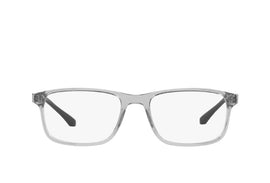
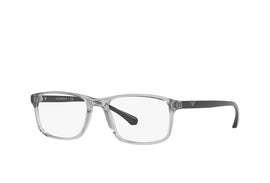
Parents can also explore Himalaya Optical's range of children's eyewear online.
Early attention to changing vision can help children see clearly and participate more comfortably in school, play and everyday activities.
Frequently Asked Questions
What are the earliest signs of myopia in children?
Early signs can include squinting at distant objects, sitting unusually close to the television or screens, difficulty seeing the classroom board and changes in classroom behaviour. Headaches or eye rubbing may also occur, although these symptoms can have other causes. An eye examination is needed to determine whether myopia is present.
Can too much screen time cause myopia in children?
Screen use and other prolonged near-vision activities may be associated with myopia risk, but screens are not the only factor involved. Genetics, near-work habits and time spent outdoors can also influence risk. Encouraging regular breaks, comfortable viewing distances and outdoor activity can support healthier visual habits.
Does spending time outdoors prevent myopia in children?
Regular outdoor time is associated with a lower risk of developing myopia in children and can help delay its onset. However, it is not a guaranteed prevention or a cure for existing myopia. Children who already show signs of blurry distance vision should still have their eyes examined.
How often should children have their eyes tested?
The appropriate timing of children's eye examinations depends on age, risk factors, previous findings and whether symptoms are present. If a child is squinting, struggling to see the classroom board or showing other changes in vision, it is better to arrange an eye examination rather than wait for a routine check.
Is myopia in children permanent, or can it be corrected?
Myopia generally does not disappear on its own, but blurred distance vision can be corrected. Glasses and contact lenses can provide clear vision, while some children may be suitable for specialist myopia-management approaches. An eye-care professional can recommend appropriate options based on the child's age, prescription and individual needs.
The Signs May Be Small. The Difference in Their Day Can Be Big.
Parents do not miss the signs of myopia because they are not paying attention. They often miss them because myopia does not always look like a vision problem.
It can look like a child sitting unusually close to the television, squinting at the board, losing their place while reading or appearing distracted in class.
If you notice a pattern, don't try to diagnose it from behaviour alone. Get your child's vision checked.
Explore children's eyewear at Himalaya Optical online, or visit a Himalaya Optical store for guidance on your child's vision and eyewear needs.